How to Fix a Leaky Faucet Fast and Easy: Complete Faucet Leak Repair and DIY Solutions
A dripping faucet is more than an annoyance — it wastes water and quietly raises your utility bill. This page walks you through the common causes, how to locate the leak, quick DIY fixes, and when it makes sense to call a pro. We also cover typical repair costs in College Station, TX so you can decide whether to DIY or call 4L Contracting LLC. Read on and you’ll feel confident handling most faucet leaks — or knowing when to hand the job to us.
What Are the Common Causes of Faucet Leaks?
Leaks usually come from worn parts or installation problems. Knowing the usual suspects makes diagnosing and fixing the issue faster. Common causes include:
- Worn Washers: Washers dry out and crack with age, losing their seal.
- O-Ring Failures: Small rubber O-rings around the handle can shrink or tear and let water escape.
- Cartridge Issues: Cartridges can corrode or wear down, especially in cartridge-style faucets.
Pinpointing the exact cause helps you choose the right repair path.
Which Faucet Parts Typically Cause Leaks?
Certain faucet parts get the most wear and are common leak sources. The usual culprits are:
- Washers: Common in compression faucets and often the first to fail.
- O-Rings: Found near the handle; when they go, water can seep out at the base.
- Cartridges: In cartridge faucets, a damaged cartridge is a frequent source of leaks.
Replacing these parts during routine maintenance can prevent most leaks.
How Do Different Faucet Types Affect Leak Issues?
Faucet design changes how and why they leak. Typical patterns include:
- Compression Faucets: Usually leak because the washer wears down.
- Cartridge Faucets: Problems often stem from a failing cartridge.
- Ball Faucets: Leaks often come from worn seals or springs inside the assembly.
How Can You Identify and Diagnose a Leaky Faucet?
Finding the leak’s source is step one. These simple checks will help you locate where water is coming from:
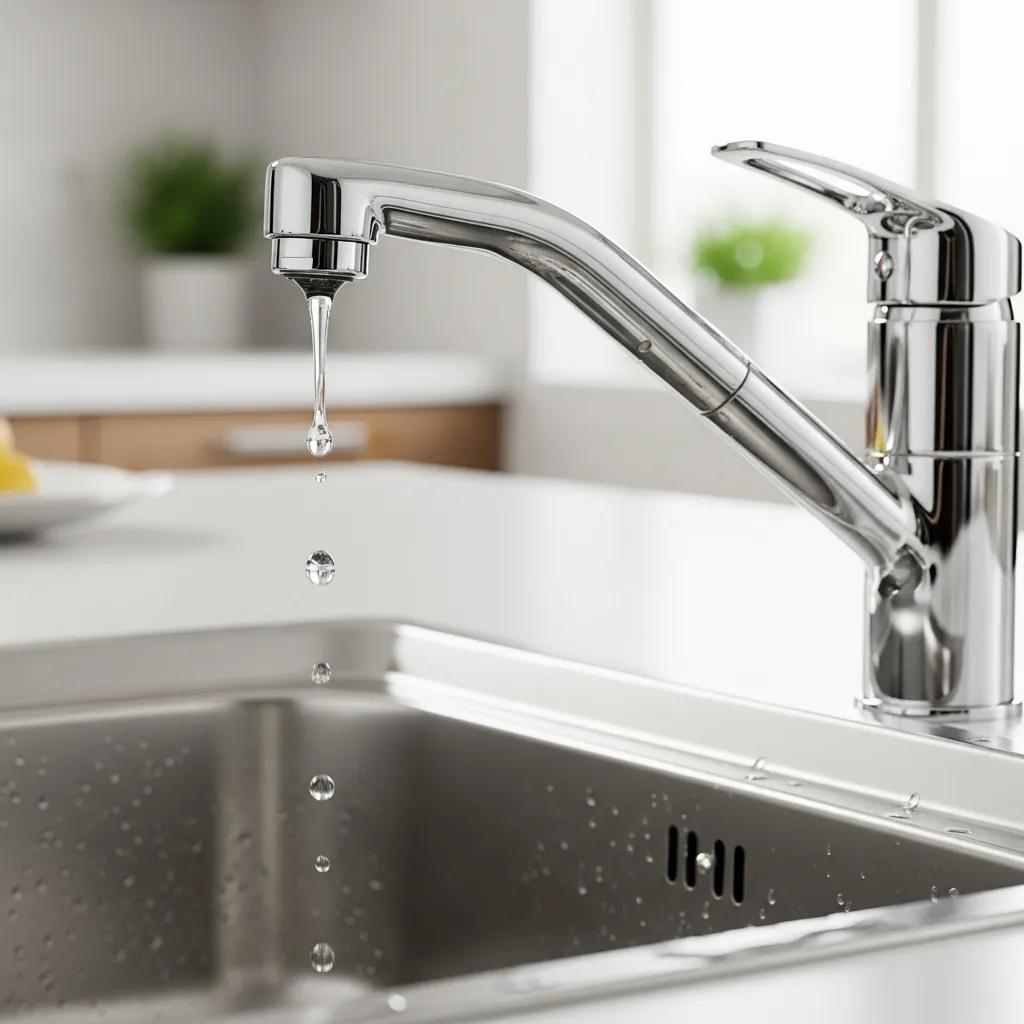
- Visual Inspection: Look for water pooling at the base, visible drips from the spout, or stains under the sink.
- Listen for Drips: Sometimes you can hear a steady drip even if you can’t see it.
- Check Under the Sink: Inspect supply lines, connections, and the drain area for dampness or corrosion.
These quick checks usually point you to the problem area and the parts that need attention.
Where Is the Leak Coming From?
Leaks typically show up in a few places:
- Under the Sink: Leaks at connections or supply lines will show up under the cabinet.
- At the Faucet Base: Water collecting around the base often means a bad O-ring or loose components.
- From the Spout: Drips from the spout usually indicate a worn washer or a failing cartridge.
Knowing the location narrows down the repair steps you’ll need to take.
What Tools Are Needed for Faucet Leak Detection and Repair?
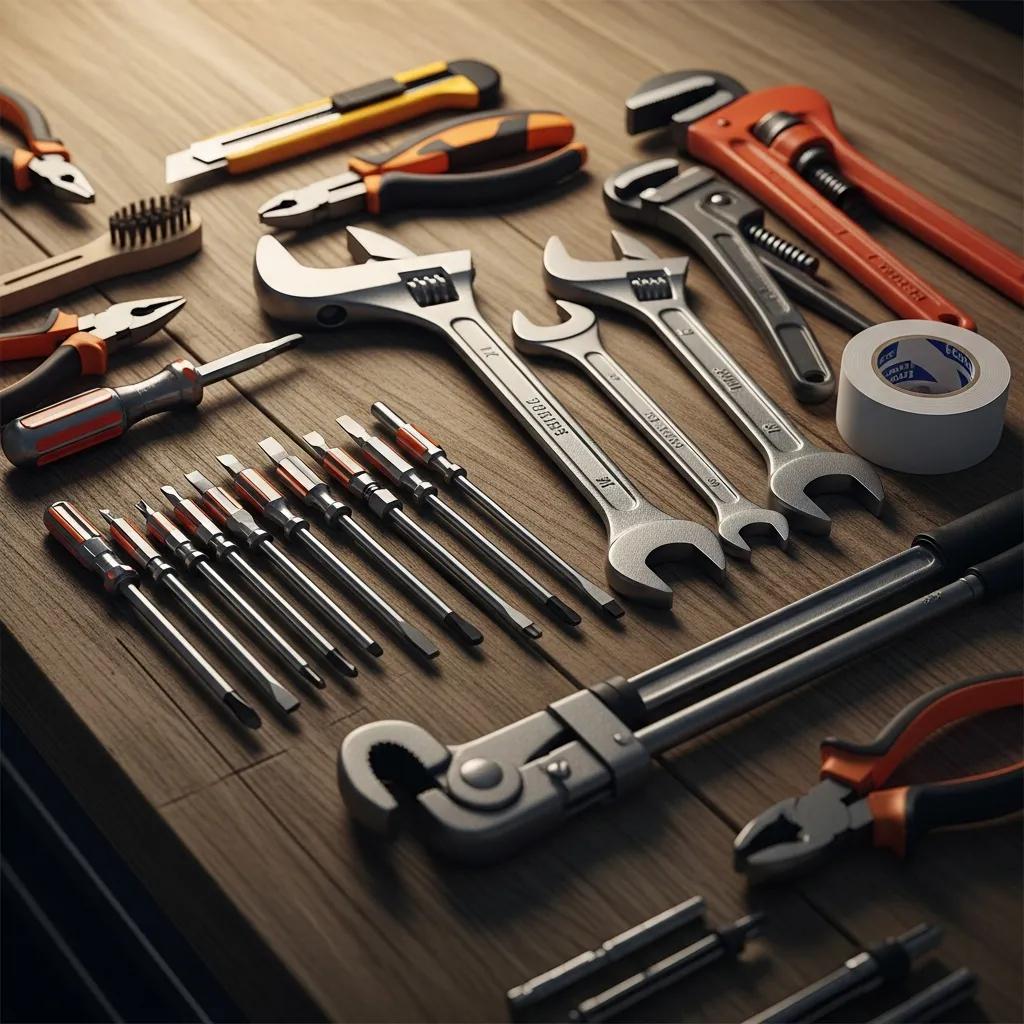
Most faucet repairs require a few basic tools. Have these on hand before you start:
- Screwdrivers: For removing handles and trim pieces.
- Wrenches: An adjustable wrench or basin wrench helps with nuts and fittings.
- Plumber’s Tape: Use Teflon tape on threaded fittings to prevent future leaks.
With the right tools and a little patience, many repairs are straightforward.
What Are the Step-by-Step DIY Methods to Fix a Leaky Faucet Fast?
Many leaks can be fixed with a few clear steps. Here’s a simple approach that covers most common repairs:
- Turn Off the Water Supply: Shut the hot and cold valves under the sink before you start.
- Disassemble the Faucet: Remove the handle and trim to access the internal parts.
- Replace Worn Parts: Swap out worn washers, O-rings, or the cartridge as needed.
Follow these steps and you’ll resolve most drips quickly.
How to Replace a Worn Washer or O-Ring Quickly and Easily
Replacing a washer or O-ring is one of the simplest repairs:
- Removing the Faucet Handle: Unscrew the handle and lift it off to expose the valve.
- Taking Out the Old Washer/O-Ring: Pry out the old rubber pieces carefully so you don’t damage the seat.
- Installing the New Washer/O-Ring: Fit the new part in the same position and reassemble the faucet.
These small parts are inexpensive and typically stop leaks right away.
How to Repair or Replace a Faulty Cartridge or Valve Seat
If the cartridge or valve seat is the problem, the repair is slightly more involved:
- Disassemble the Faucet: Remove the handle and any retaining clips holding the cartridge in place.
- Take Out the Cartridge: Pull the old cartridge straight out and inspect it for wear or mineral buildup.
- Install the New Cartridge: Slide in the replacement, secure the clip, and reassemble the faucet.
Replacing a cartridge often restores full function and stops persistent leaks.
Choosing faucets built for serviceability can save time — many cartridge faucets let a professional swap cartridges in minutes rather than hours.
Fast Faucet Repair: Cartridge Replacement Tips
Pick a faucet with serviceable parts — cartridge models are easier to repair and often let a pro replace the cartridge in under 10 minutes.
Before you start a cartridge repair, make sure you can source the exact replacement part. Bringing the old cartridge to a plumbing supply store is the fastest way to match it correctly.
DIY Faucet Cartridge Repair & Part Matching
Finding the correct retaining clip or cartridge can be tricky. Take the old part with you to ensure an exact match at the supply store.
When Should You Call a Professional Faucet Repair Service?
Many faucet problems are DIY-friendly, but some situations call for a licensed plumber. Here’s when to call for help:
- Complex Leaks: Multiple leaks or damage beyond the faucet often need a pro’s diagnosis.
- Old Plumbing Systems: Aging pipes or fittings may require system-level repairs.
- Emergency Situations: If a leak is causing active water damage, call for immediate assistance.
Getting professional help early can prevent more costly damage later on.
What Complex Leaks Require Expert Plumbing Assistance?
Call a pro when leaks suggest bigger problems:
- Multiple Leaks: Several failing components can indicate broader plumbing issues.
- Severe Water Damage: Visible damage or signs of mold require professional remediation.
- Old Plumbing Systems: Corroded or brittle pipes often need replacement, not patching.
In these cases, licensed technicians can diagnose and fix the root cause safely and thoroughly.
What Are the Benefits of Hiring 4L Contracting LLC for Faucet Repairs?
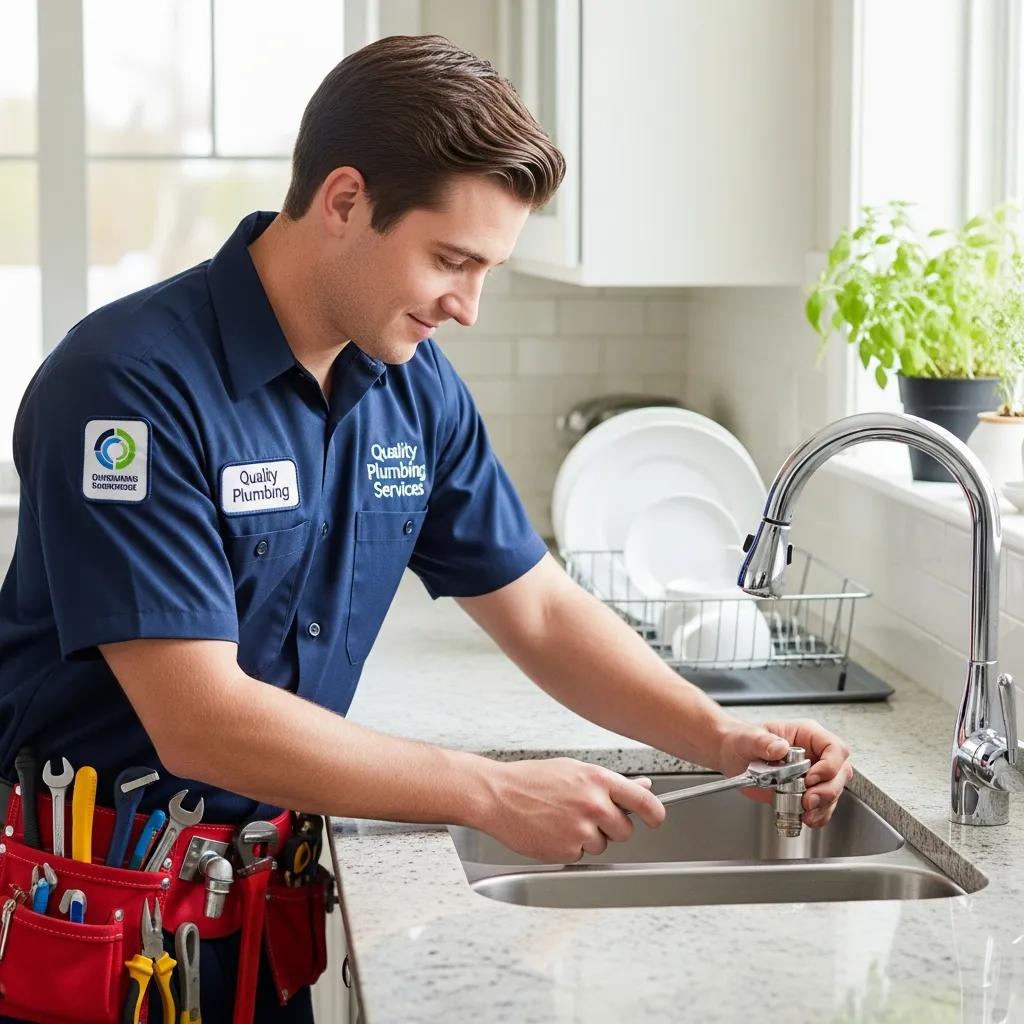
Choosing 4L Contracting LLC brings practical advantages:
- Expertise and Experience: With over 25 years in plumbing, our team diagnoses and fixes problems quickly and correctly.
- Warranty on Repairs: We stand behind our work with a 90-day warranty on repairs.
- Time-Saving: Our technicians work efficiently so you can get back to your day.
Trusting a reliable local company makes the repair process easier and gives you peace of mind.
How Much Does Professional Faucet Leak Repair Cost in College Station, TX?
Knowing typical costs helps you budget and compare options. Here’s a quick overview:
- Average Cost Range: Most faucet repairs fall between $100 and $300, depending on the issue.
- Factors Influencing Pricing: Faucet type, extent of damage, and required parts and labor affect the final price.
- Getting a Quote: We recommend collecting a few estimates so you can compare scope and cost.
Being informed makes it easier to choose the right solution for your situation.
What Factors Influence Faucet Repair Pricing?
| Factor | Description | Impact Level |
|---|---|---|
| Type of Faucet | Some faucets need specialty parts or extra work to service | High |
| Extent of Damage | More extensive wear or hidden damage increases labor and parts costs | High |
| Labor Costs | Rates vary by technician experience and local market | Medium |
Understanding these variables helps you anticipate what a repair will cost.
How to Get a Free Quote from 4L Contracting LLC for Faucet Repair
Requesting a free quote is simple:
- Contact the Company: Call 4L Contracting LLC at 979-473-9775 to describe the problem.
- Provide Details: Tell us the faucet type and what you’re experiencing — photos help.
- Receive Your Quote: We’ll give you a clear estimate and explain the recommended work.
We aim to make the process fast, transparent, and helpful.
How Can You Prevent Future Faucet Leaks and Save Water?
Preventing leaks keeps your home in good shape and reduces water waste. Try these practical tips:
- Regular Maintenance: Check and replace washers and O-rings during routine inspections.
- Prompt Repairs: Fix small leaks quickly to avoid bigger problems later.
- Water Conservation Practices: Simple habits and efficient fixtures reduce strain on your plumbing.
Small, regular steps go a long way toward longer-lasting faucets and lower bills.
What Maintenance Tips Help Avoid Common Faucet Leak Causes?
Stay on top of these simple maintenance tasks:
- Regular Cleaning: Wipe mineral buildup away to keep parts moving freely.
- Checking Seals: Inspect seals and gaskets for cracking and replace them when needed.
- Prompt Repairs: Fix minor issues right away to prevent escalation.
Routine checks are quick and can save you from costly repairs down the road.
How Does Fixing Leaky Faucets Contribute to Water Conservation?
Fixing leaks matters. A single dripping faucet can waste over 3,000 gallons of water per year — that’s higher bills and unnecessary environmental impact. Repairing leaks promptly saves water, money, and reduces your household’s footprint.
In short: learning the basics of faucet repair empowers you to handle small problems yourself or make smart decisions when you hire help. Whether you DIY or call 4L Contracting LLC, knowing the causes, solutions, and costs helps you keep your plumbing running reliably.
Frequently Asked Questions
What are the signs that indicate a faucet needs repair?
Persistent dripping, water pooling around the base, lower water pressure, or strange noises when the faucet runs are clear signs. You may also find water stains, damp cabinets, or mold under the sink. If you notice any of these, check the faucet and act quickly to avoid bigger problems.
Can I use any type of replacement part for my faucet?
No — not all parts are interchangeable. Use parts made for your faucet model to ensure a proper fit and reliable operation. When in doubt, bring the old part to a plumbing supply store or contact the faucet manufacturer for the correct replacement.
How often should I perform maintenance on my faucets?
Inspect your faucets at least once a year. During that check, look for worn washers and O-rings, remove mineral buildup, and make sure fittings are tight. Address any small issues immediately to prevent larger repairs later.
What should I do if I can't identify the source of the leak?
If the source isn’t obvious, call a professional plumber. They can use pressure tests and diagnostic tools to find hidden leaks in walls, under floors, or inside fixtures and provide a safe, lasting repair.
Are there any eco-friendly options for faucet repairs?
Yes. You can choose biodegradable sealants and sustainably made replacement parts, or upgrade to water-efficient faucets that reduce flow without sacrificing performance. These options lower water use and are kinder to the environment.
What are the risks of ignoring a leaky faucet?
Ignoring a leak increases your water bill, risks water damage and mold growth, and can lead to larger, costlier plumbing repairs. Fixing leaks quickly protects your home and saves money over time.