How to Know When Your Water Heater Needs to Be Replaced
Water heaters are essential appliances in any home, providing hot water for various daily activities such as bathing, cooking, and cleaning. Understanding when to replace your water heater can save you from unexpected breakdowns and costly repairs. This article will guide you through the typical lifespan of water heaters, common signs of failure, and factors to consider when deciding between repair and replacement. Additionally, we will discuss the costs associated with water heater replacement in College Station and maintenance tips to extend the life of your unit.
What Is the Typical Lifespan of a Water Heater?
The lifespan of a water heater is a crucial factor in determining when it may need replacement. Generally, traditional tank water heaters last between 10 to 15 years, while tankless models can last longer due to their design and efficiency. Understanding these lifespans helps homeowners plan for potential replacements and avoid unexpected failures.
How Long Do Tank and Tankless Water Heaters Last?
Tank water heaters typically last 10-15 years, depending on usage and maintenance. In contrast, tankless water heaters often have a longer lifespan, lasting up to 20 years. This difference is primarily due to the absence of a storage tank in tankless models, which reduces wear and tear.
What Factors Affect Water Heater Longevity in College Station?
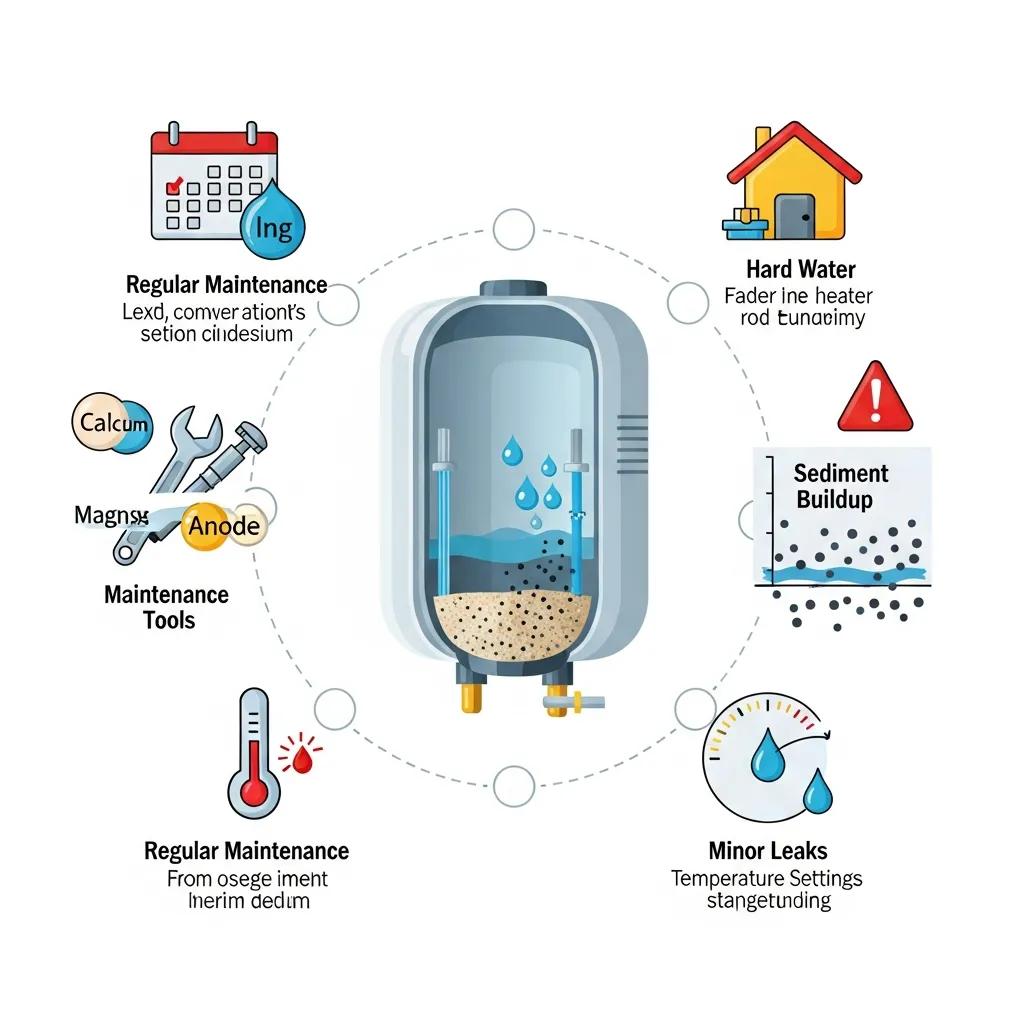
Several factors can influence the longevity of water heaters in College Station. Local water quality plays a significant role, as hard water can lead to mineral buildup and corrosion. Regular maintenance, such as flushing the tank and checking the anode rod, can also extend the life of the unit. Homeowners should be aware of these factors to ensure their water heater operates efficiently for as long as possible.
What Are the Common Signs Your Water Heater Is Failing?
Recognizing the signs of a failing water heater is essential for timely replacement. Common indicators include leaks, rust, and sediment buildup, which can lead to more significant issues if not addressed promptly.
How to Identify Leaks, Rust, and Sediment Buildup
Homeowners should regularly inspect their water heaters for signs of leaks or rust. Monitoring water bills for unexpected increases can also indicate a hidden leak. Visual inspections can reveal rust on the tank or connections, while sediment buildup can be detected through discolored water or unusual noises during operation.
What Noises and Performance Issues Signal Replacement Needs?
Strange noises from a water heater can signal internal issues that may require replacement. For instance, rumbling noises often indicate sediment buildup, which can affect heating efficiency. Additionally, a lack of hot water may suggest a failing heating element, prompting the need for a new unit.
When Should You Choose Repair Versus Replacement?
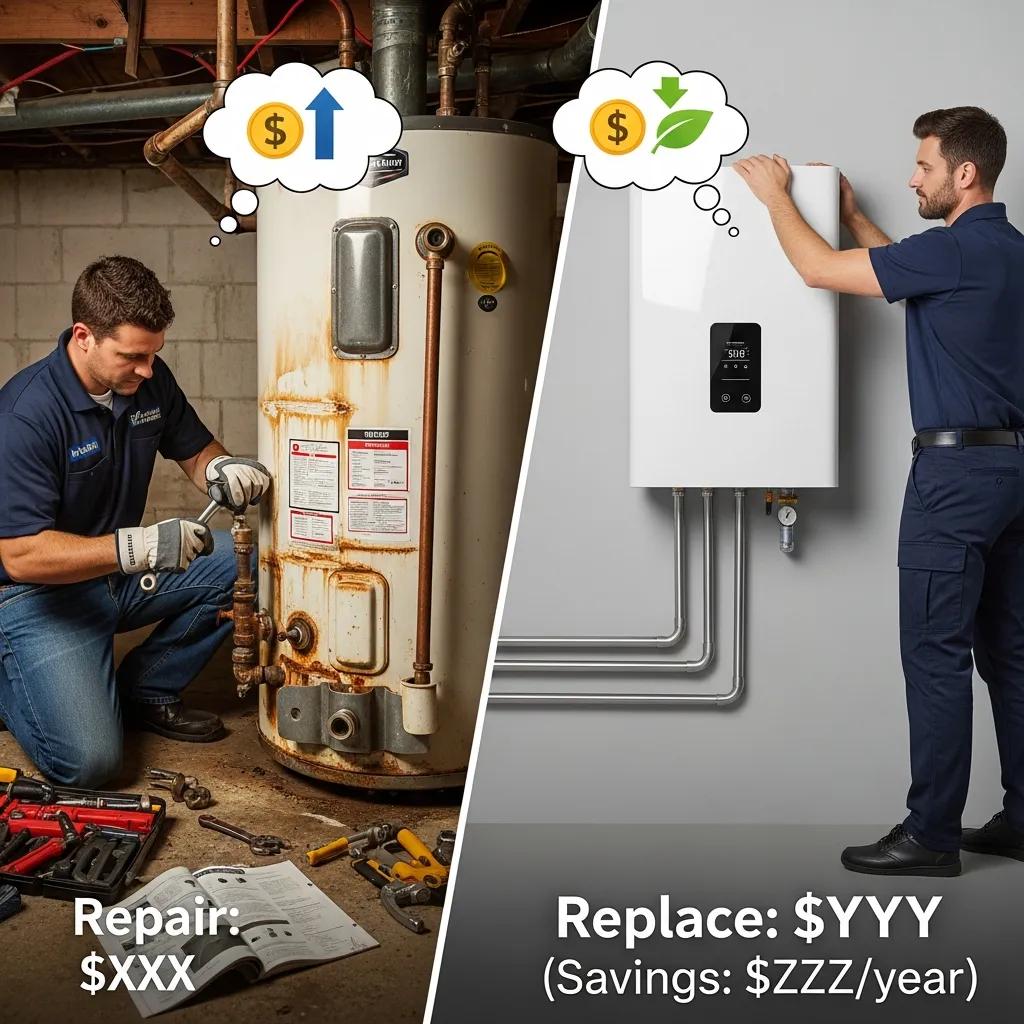
Deciding whether to repair or replace a water heater can be challenging. Factors such as the age of the unit and the frequency of repairs should be considered when making this decision.
What Are the Cost and Effectiveness of Water Heater Repairs?
Older water heaters may require more frequent repairs, which can add up over time. Homeowners should weigh the cost of repairs against the potential benefits of investing in a new, more efficient model. In many cases, replacing an aging unit can be more cost-effective in the long run.
How to Decide If Replacement Is More Beneficial?
When considering replacement, homeowners should evaluate the energy efficiency of new models. Many modern water heaters offer improved energy ratings, which can lead to significant savings on utility bills. Additionally, compliance with local codes and regulations should be factored into the decision-making process.
How Much Does Water Heater Replacement Cost in College Station?
The cost of replacing a water heater can vary significantly based on the type of unit and installation requirements. Understanding these costs can help homeowners budget for this essential home maintenance task.
What Are the Typical Installation and Equipment Expenses?
Installation costs for water heaters in College Station can vary widely, depending on the model and any additional work required, such as permits or plumbing modifications. Homeowners should expect to pay for both the unit and the labor involved in the installation process.
Are There Energy-Efficient Models That Save Money Long-Term?
Investing in energy-efficient water heaters can lead to long-term savings. For example, Energy Star-rated models can save homeowners up to 30% on energy costs compared to standard models. Tankless water heaters also offer long-term savings by providing hot water on demand without the energy loss associated with traditional tanks.
What Maintenance Tips Can Extend Your Water Heater’s Life?
Regular maintenance is key to prolonging the lifespan of a water heater. Homeowners can take several steps to ensure their unit operates efficiently and effectively.
How to Perform Regular Sediment Flushing and Inspections
Flushing the water heater annually can help prevent sediment buildup, which can impair performance. Homeowners should also inspect the anode rod regularly, as replacing it can significantly extend the life of the tank.
When to Schedule Professional Plumbing Services in College Station
Scheduling professional plumbing services every few years can help catch potential issues early. Homeowners should also be aware that emergency plumbing services are available 24/7 for urgent repairs or replacements.