
Prevent Plumbing Leaks at Home — Essential Tips and Simple Strategies
Stopping plumbing leaks early saves your home and your wallet. Leaks can cause water damage, higher utility bills, and mold — which can harm health. Below, we walk through practical steps you can take: common causes, do-it-yourself checks, and how smart technology can help you catch problems fast. We also explain when it’s time to call a pro and how 4L Contracting LLC, serving the Brazos Valley, can help protect your property.
Common Causes of Plumbing Leaks in Homes
Leaks usually come from a few predictable problems. The biggest culprits are high water pressure, old or corroded pipes, and poor installation. Knowing these causes makes it easier to spot risks and prevent damage before it starts.
How high water pressure damages pipes and leads to leaks
Too much water pressure puts extra stress on pipes and fittings. Over time that stress can cause cracks, joints to fail, or even burst pipes — especially on older plumbing. Installing a pressure regulator keeps pressure in a safer range (typically 40–80 psi; many pros aim for 50–60 psi) and protects your system.
Why aging pipes and corrosion raise leak risk
Pipes wear out. Metal pipes can corrode, seals can fail, and materials break down with age. Water quality can speed up corrosion. Regular inspections and replacing worn sections before they fail are the best ways to avoid surprise leaks.
DIY Plumbing Leak Prevention Methods Homeowners Can Use
You don’t need to be a plumber to reduce your leak risk. Simple, regular checks and a few preventative fixes go a long way: inspect fixtures, insulate vulnerable pipes, and manage water pressure.
How to inspect fixtures for early leak signs
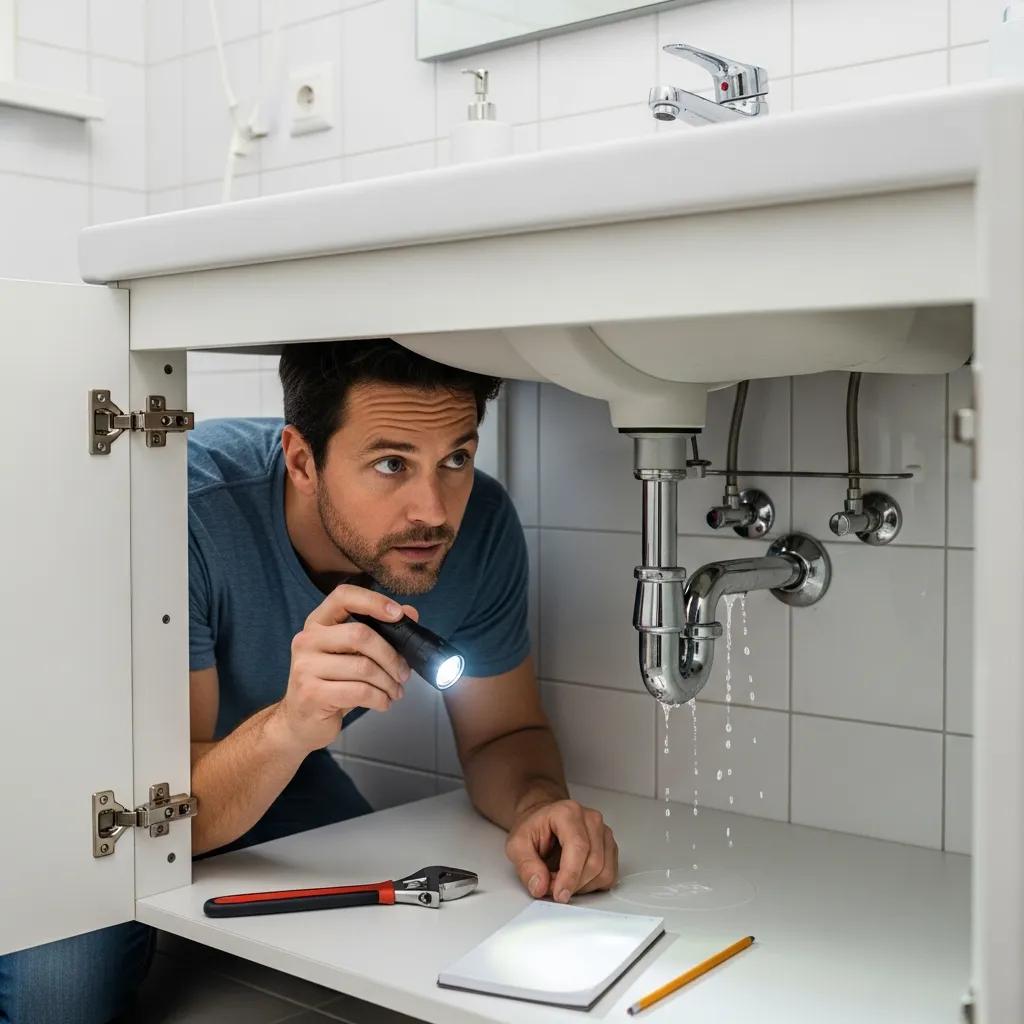
Check faucets, toilets, and showerheads for drips, stains, or dampness. Look under sinks and around appliances for puddles or water marks. Do a quick walk-through every few months — more often if you’ve had problems — and use a flashlight to spot slow leaks in dark spaces.
Effective pipe insulation tips to prevent burst pipes
Insulating exposed pipes helps prevent freezing in cold weather and reduces stress on plumbing. Foam pipe sleeves and heat tape are common solutions. Insulation also improves hot-water efficiency by keeping heat in the pipes.
How smart leak-detection systems can limit water damage
Smart sensors and automatic shut-off valves give you early warnings and the power to stop a leak before it becomes a disaster. They’re especially useful when you’re away from home or want extra peace of mind.
Benefits of water sensors and automatic shut-off valves
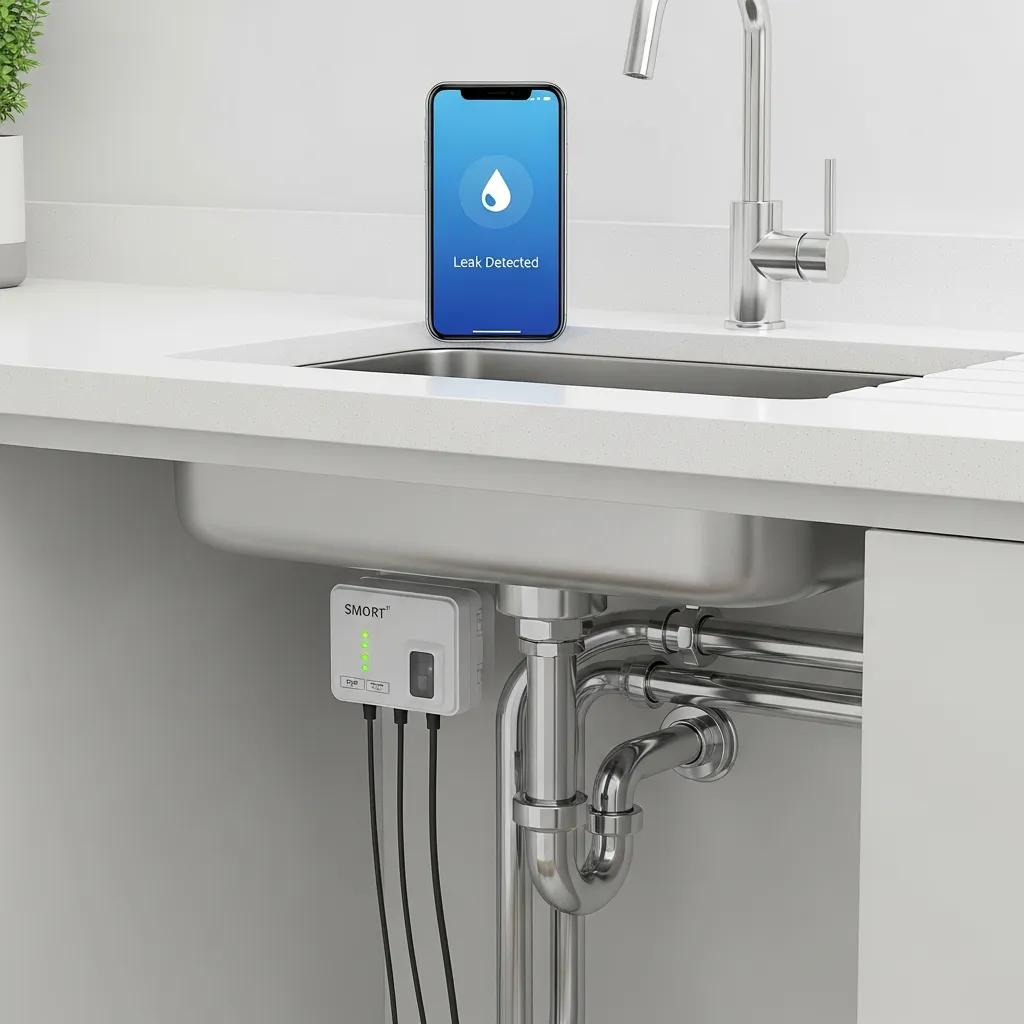
Water sensors detect moisture and send instant alerts to your phone. Paired with an automatic shut-off valve, they can stop the water flow and prevent major damage. While there’s an upfront cost, the savings from avoiding repairs and lost belongings often outweigh that investment.
Research supports the growing role of automatic shut-off valves and smart leak-detection systems in modern water management.
Automatic Shut-Off Valves & Smart Leak Detection Systems
This overview examines the current state of automatic shut-off valves and leak-detection technology, highlighting how advances in sensors, system integration, and analytics are changing leak prevention and response.
Integrating Automatic Water Shut-Off Valves, Leak Detection Systems, and Smart Irrigation for Enhancing Efficiency and Conservation in Modern Water …, R Naveenkumar, 2024
How to connect leak detectors to your smart home
Many leak sensors work over Wi‑Fi and pair with smartphone apps or home automation hubs. That means you can get alerts, check sensor status remotely, and — when set up with an automatic valve — shut off water from anywhere. Integration is usually straightforward, but a tech-savvy install can make the system more reliable.
Academic work also describes how real-time sensors and data analysis help detect leaks faster and more accurately.
Smart Water Leak Detection with Real-Time Sensors
This study outlines a method for using smart water sensors to detect leaks by combining traditional water-balance checks with a minimum-night-flow approach. Sensors monitor hydraulic parameters in real time and trigger alarms when flows exceed expected thresholds, allowing faster detection of bursts and leaks.
Leakage detection using smart water system: Combination of water balance and automated minimum night flow, E Farah, 2017
Signs of Hidden Plumbing Leaks to Watch For
Hidden leaks are the most expensive because they can go unnoticed for months. Watch for warning signs like sudden spikes in your water bill, mold or mildew, and odd sounds coming from pipes.
Spotting unexplained bill increases and mold growth
A sudden rise in your water bill without a change in usage often points to a hidden leak. Check rooms where water lines run — bathrooms, kitchens, basements — for mold, musty smells, or damp spots, which can all indicate unseen moisture.
Unusual sounds that may signal hidden leaks
Hearing dripping, running, or hissing when no fixtures are on is a red flag. Don’t ignore these noises — they can mean a leak inside a wall or under the floor that needs investigation.
When to Call a Professional Plumber for Leak Detection and Repair
Many small checks you can do yourself, but certain problems require a licensed plumber. Calling a pro quickly can reduce damage and cost.
Services 4L Contracting LLC provides for leak detection and repair
4L Contracting LLC handles residential and commercial leak detection and repairs. Our team uses proven techniques and advanced detection tools to find leaks fast and fix them right. When a problem needs more than a quick patch, we provide durable repairs and clear recommendations.
How preventative maintenance plans cut future leak risk
Regular maintenance finds issues before they become emergencies. 4L Contracting’s preventative plans include routine inspections, tune-ups, and timely repairs — all designed to extend the life of your plumbing and lower the chance of sudden failures.
Studies highlight how preventive, data-informed maintenance can reduce plumbing defects and unexpected breakdowns.
Residential Plumbing Defects & Preventive Maintenance
This research discusses how preventive maintenance — including predictive, data-driven planning — helps standardize inspections and interventions, reducing the frequency of plumbing defects in residential buildings.
Plumbing defects in residential buildings: analysis of anomalies and their causes, A Gurmu, 2020
This quick table summarizes common leak causes and practical prevention steps to help you keep your home dry and damage-free.
| Cause of Leak | Description | Prevention Method |
|---|---|---|
| High Water Pressure | Excessive pressure can crack or stress pipes | Install a pressure regulator to keep pressure in range |
| Aging Pipes | Materials wear out over time and develop leaks | Schedule inspections and replace old pipes when needed |
| Corrosion | Metal pipes can corrode, weakening the system | Monitor water quality and replace corroded sections |
Taking a few proactive steps — regular checks, proper insulation, pressure control, and smart sensors — can greatly reduce the chance of a costly leak. If you want help, 4L Contracting LLC offers experienced plumbing services across the Brazos Valley to keep your system reliable and your home safe.
Frequently Asked Questions
What are the long-term effects of plumbing leaks on a home?
Long-term leaks can cause structural damage, encourage mold growth, and increase utility costs. Over time, water can weaken walls, floors, and foundations. Mold also brings health risks. Fix leaks quickly to avoid escalating repairs and health concerns.
How can I tell if my plumbing system is at risk for leaks?
Watch for signs like steady drops in water pressure, damp spots on walls or ceilings, and rising water bills. Inspect visible pipes for rust or wear, and listen for unexpected sounds. Any of these signs mean it’s time for a closer look or a pro inspection.
Are there specific maintenance tasks I should perform seasonally?
Yes. In winter, insulate exposed pipes to prevent freezing. In spring, check for winter damage and test outdoor faucets. Summer is a good time to clear gutters and ensure water drains away from your foundation. In fall, inspect heating-related plumbing before cold weather arrives.
What should I do if I suspect a hidden leak?
Turn off the main water supply to limit damage, then check your water meter to see if it’s still running. Look in likely spots — under sinks, behind appliances, and in basements. If you can’t find the source, call a plumber who can use specialized tools to locate and repair hidden leaks.
How can I improve my home's plumbing efficiency?
Replace old fixtures with water-efficient models like low-flow toilets and faucet aerators. Insulate hot-water pipes to reduce heat loss. Keep up with inspections and consider smart water-management devices that track usage and detect leaks early.
What are the signs that I need to replace my plumbing system?
Consider replacement if you have frequent leaks, persistent low pressure, discolored water, or repeated clogs. Outdated pipe materials (like lead or polybutylene) are also a reason to replace plumbing for safety and code compliance. Older homes that haven’t had upgrades may benefit from a full system review and replacement.