Is Your Water Heater in Trouble? Spot Problems and Take Action Fast
Hot water keeps a household running — from showers to dishes and laundry. Spotting warning signs early can save you time, money, and headaches. Below we cover the common indicators of a failing water heater — leaks, lack of hot water, odd noises, and rusty or discolored water — plus when to call emergency help and whether repair or replacement makes more sense.
How to Spot a Water Heater Leak
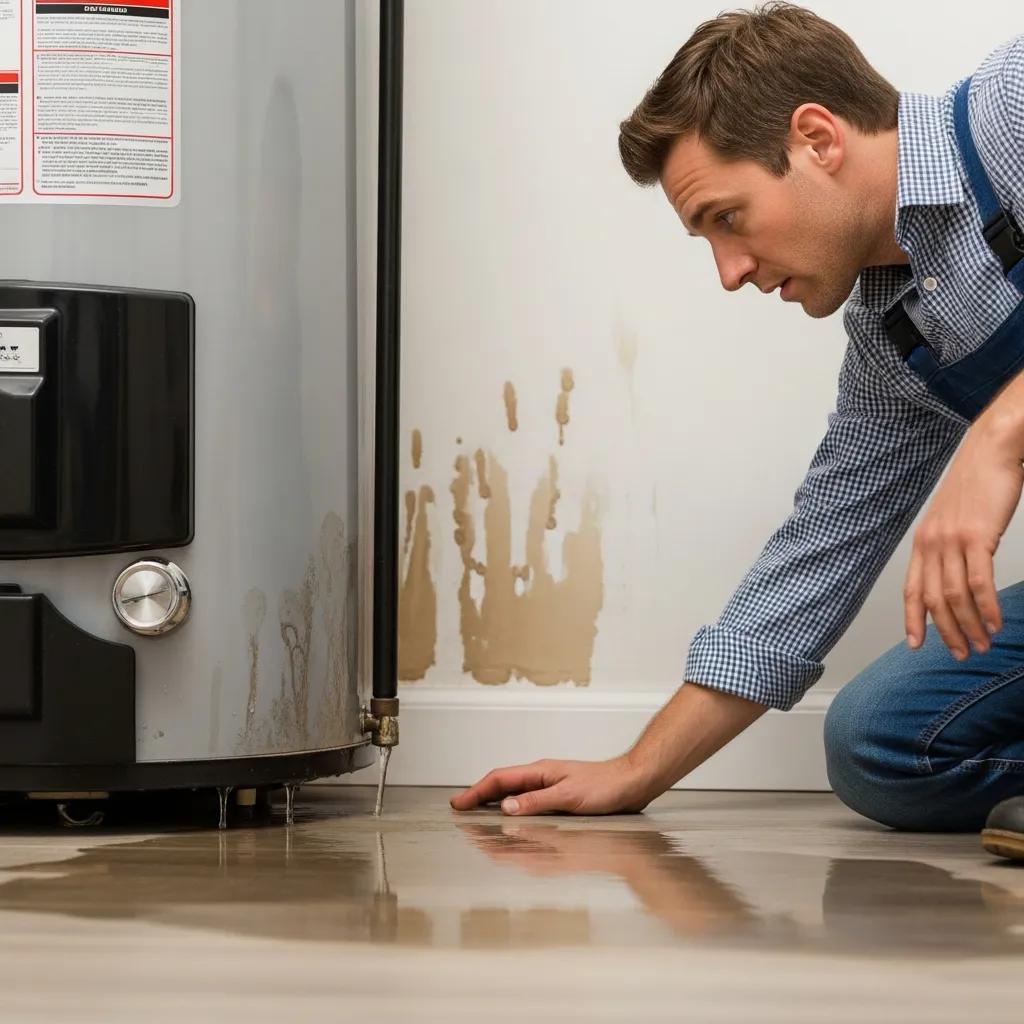
Leaks can quickly cause costly damage. Look for puddles at the base of the unit, damp patches on nearby walls or ceilings, and a sudden drop in water pressure. Catching a leak early often keeps repairs small and prevents broader water damage.
Small Drip or Major Leak? How to Tell
A minor leak might show as a few drops or moisture around connections and can sometimes be fixed by tightening a fitting. A steady stream or pooling water from the tank itself is a major problem and needs immediate professional attention.
What Usually Causes Leaks — and Why Acting Quickly Matters
Leaking water heaters are most commonly caused by corrosion, failing valves, or loose fittings. Older tanks are especially prone to rust and deterioration. The sooner you address a leak, the less chance you have of mold, structural damage, or a full tank failure.
No Hot Water or Not Hot Enough? Common Causes
Cold showers are a clear sign something’s wrong. The usual suspects are failed heating elements, a malfunctioning thermostat, or an interrupted power supply. Knowing the likely causes helps you decide whether a quick fix or a professional call is needed.
Heating Element, Thermostat, and Power Problems That Stop Hot Water
Elements wear out over time or get coated in sediment and stop heating effectively. A faulty thermostat may not trigger the element, and tripped breakers or blown fuses can cut power to the unit. Regular checks can catch these issues before you’re left without hot water.
How Sediment Buildup Reduces Performance
Mineral deposits from hard water settle at the bottom of the tank and can insulate heating elements. That forces the heater to work harder, lowers efficiency, and shortens equipment life. Flushing the tank on a schedule helps keep things running smoothly.
Strange Noises from Your Water Heater — What They Mean
Rumbling, popping, or banging typically point to internal problems. These sounds are often caused by sediment, but they can also signal failing components that deserve a closer look.
Why Sediment Makes Popping or Banging Noises
Sediment can trap pockets of water that overheat and form steam bubbles. When those bubbles burst, you hear the popping or rumbling. Regular maintenance and tank flushing reduce these noises and the wear they cause.
When Noise Is a Warning — Call a Pro
If noises persist, they may indicate more serious issues like a failing heating element or tank corrosion. When in doubt, have a licensed plumber inspect the unit to avoid unexpected failures.
Rusty or Discolored Water — What It’s Telling You
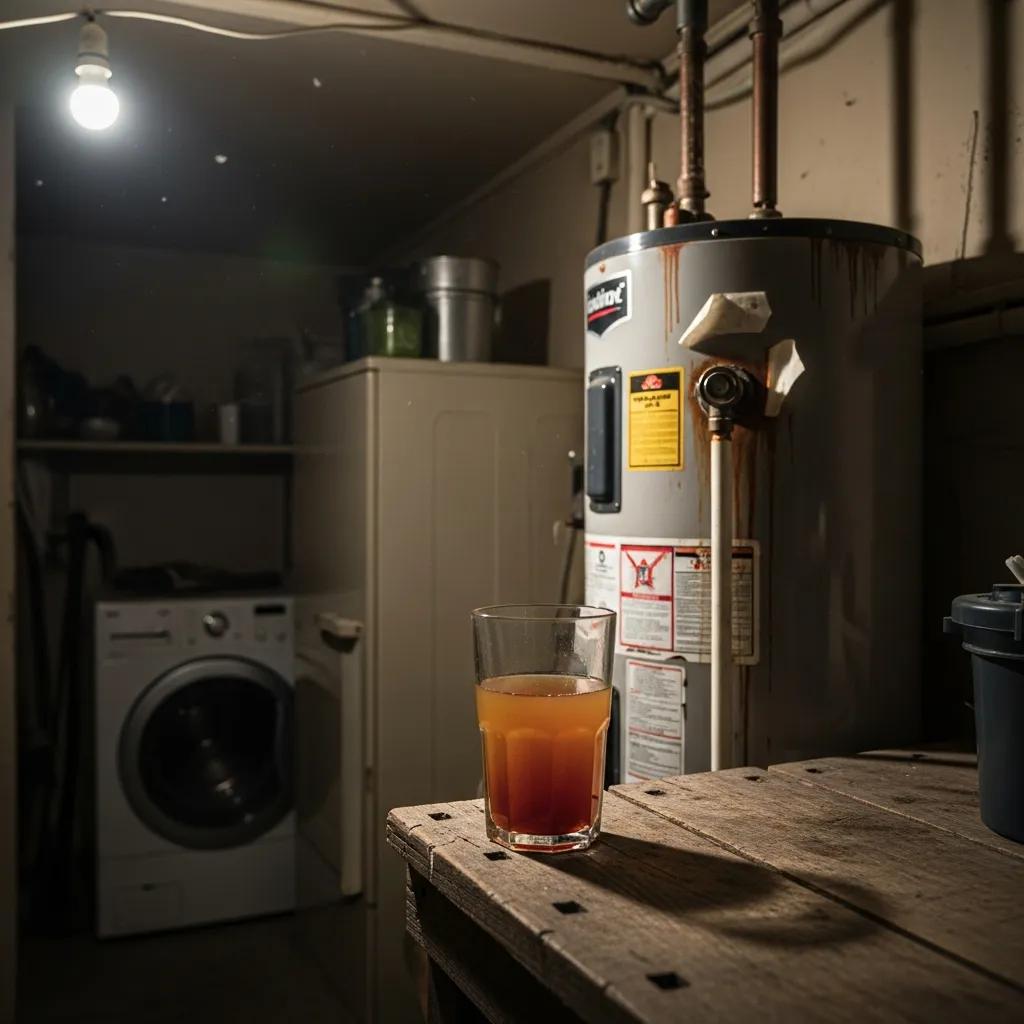
Discolored or rusty water is a clear signal of internal corrosion. It affects water quality, can stain fixtures and clothing, and often means the tank is deteriorating.
How Corrosion Affects Water Quality
Rusty water usually carries iron particles that can stain and taste metallic. While small amounts aren’t typically dangerous, discoloration shows the tank is breaking down and should be addressed to protect your plumbing and household items.
The Anode Rod — Your Tank’s First Line of Defense
The anode rod attracts corrosive elements and slows tank rust. Checking and replacing the anode rod when needed is one of the most effective ways to extend your heater’s life and keep water clearer.
When to Call Emergency Water Heater Repair
Some problems can’t wait. Knowing when to call a 24/7 plumber can prevent safety hazards and major damage.
Critical Failures That Need 24/7 Emergency Help
Call emergency services for major leaks, total loss of hot water, the smell of gas near a gas heater, or electrical issues such as sparking or burning smells. These situations pose safety risks and should be handled immediately by professionals.
How Quick Repairs Prevent Damage and Costly Replacements
Addressing problems right away limits water damage, mold growth, and the chance you’ll need an early replacement. Small repairs now can save a lot of money and hassle later.
Repair or Replace? How to Decide
Deciding whether to repair or replace a water heater depends on several practical factors. Review age, repair history, and efficiency to choose the most cost-effective path.
Age and Repair History: Key Factors
Age matters — most tanks last roughly 8–12 years. If your unit is in that range and needs frequent fixes, replacement is often the smarter investment. If it’s relatively new and the issue is small, a repair will usually do the job.
Energy Efficiency and Local Codes to Consider
Newer models use less energy and can lower utility bills. Also check local plumbing and building codes — they may require certain upgrades when you replace a unit. Factor those costs into your decision.
| Factor | What to check | Why it matters |
|---|---|---|
| Age | Older units often need more repairs | High |
| Repair History | Frequent repairs point toward replacement | Medium |
| Energy Efficiency | New models reduce operating costs | High |
| Local Codes | Replacement may need code-compliant upgrades | Medium |
In short: watch for leaks, strange noises, and discolored water, and act quickly when you see them. Quick attention keeps your home safe and your water heater running efficiently. When in doubt, reach out to a qualified plumbing professional who can diagnose the issue and recommend the best next steps.
Frequently Asked Questions
How can I extend my water heater's life?
Regular maintenance goes a long way. Flush the tank once a year to remove sediment, check the anode rod every few years and replace it if it’s badly corroded, and test the pressure relief valve. Keep the area around the heater clear and schedule a professional inspection every few years to catch issues early.
How do I know if my water heater is energy-efficient?
Check the Energy Factor (EF) on the unit or its manual — higher numbers mean better efficiency. Look for the ENERGY STAR label on newer models. If your energy bills spike or the heater is over 10 years old, it may be worth upgrading to a more efficient model.
I smell gas near my water heater — what should I do?
If you smell gas, leave the building immediately and avoid using electronics or open flames. From a safe distance, call your gas company or emergency services. Don’t try to find or fix the leak yourself — gas leaks are dangerous and require professional response.
Can I install a water heater myself, or should I hire a professional?
Installation involves plumbing, electrical, and sometimes gas work and must meet local codes. For safety, compliance, and warranty reasons, hiring a licensed professional is the recommended option. A pro ensures the job is done right and can handle permits and inspections if required.
What signs show my water heater is nearing the end of its life?
Watch for age (around 8–12 years), frequent repairs, inconsistent temperatures, rust on the tank, discolored water, or persistent noises like popping. These are good indicators it’s time to think about replacement.
How can I improve my water heater's efficiency?
Insulate the tank and the first few feet of hot and cold pipes, set the thermostat to 120°F, and keep up with regular flushing and anode rod checks. If your unit is old, consider switching to a high-efficiency or tankless model for long-term savings.